Great expectations
Not sure about the next nine months? Emily Dunn gives a rundown what to expect as new life looms.
Weekly Guide to Pregnancy: Week 4
When your egg is fertilised by your partner's sperm, the genes or chromosomes from each of you combine to create a cell. This cell then starts to divide, becoming a collection of cells, or blastocyst.
Weekly Guide to Pregnancy: Week 5
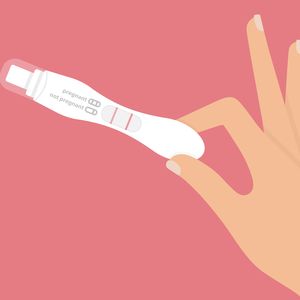
It is at this stage that you may become aware that you could be pregnant, particularly if your period hasn't arrived and your menstrual cycle is regular and usually appears every 28 days.
Weekly Guide to Pregnancy: Week 6
This week you may start to develop other more noticeable signs of pregnancy, such as nausea possibly accompanied by vomiting (especially in the morning), breast soreness or tenderness, the need to urinate more frequently, fatigue, and constipation.
Weekly Guide to Pregnancy: Week 7
It is essential to eat a nutritious diet during pregnancy. This will provide your growing baby with all the nutrients required for its development.
Weekly Guide to Pregnancy: Week 8
Your uterus is increasing in size, and while you may not have a definite or visible bulge, you will probably notice that your clothes have become tighter around the waist, breasts or thighs.
Weekly Guide to Pregnancy: Week 9
As your baby continues to grow, your uterus increases in size and you will probably find that your waist is beginning to thicken. Before pregnancy your uterus is about the size of your fist. After six weeks it will grow to about the size of a grapefruit.
Weekly Guide to Pregnancy: Week 10
Although your baby can now respond to touch, you won't yet be able to feel it move. Nutrients pass from your body into the placenta and umbilical cord to feed your baby and support his/her rapid growth.
Weekly Guide to Pregnancy: Week 11
You should be eating a healthy diet from all food groups. An extra serve of calcium per day is really the only extra intake that is needed during pregnancy.
Weekly Guide to Pregnancy: Week 12
From this week onwards your baby is recognisable as a human being and is now called a fetus as opposed to an embryo. Now, or close to this time, you should be able to hear your baby's heartbeat with a Doppler (a special listening device).
Weekly Guide to Pregnancy: Week 13
You may notice slight weight gain as the baby and its support system grows rapidly. Your uterus now fills your pelvis and future growth will mean that your uterus expands up into your abdomen. Your fluctuating hormones may also start to settle down, allowing you to feel less emotionally unbalanced and sensitive.
Weekly Guide to Pregnancy: Week 14
By the end of this week, your baby is fully formed. From here, he/she needs to mature. When provoked (eg by prodding of your abdomen), your baby will respond with active movements, however you still can't feel your baby moving yet.
Weekly Guide to Pregnancy: Week 15
It is important to maintain a regular, daily exercise routine during pregnancy. Walking, swimming and yoga are particularly recommended.
Weekly Guide to Pregnancy: Week 16
You may start to feel the baby move from now (termed quickening), although this is more common in women who have had previous children. The majority of women will start to feel movements some time between Week 16 and Week 20.
Weekly Guide to Pregnancy: Week 17
By the start of week 17 you will be noticing an increase in the size of your abdomen. Some people may still be able to get by wearing looser clothing, while others will be wearing maternity clothes.
Weekly Guide to Pregnancy: Week 18
Backache can occur at any time during pregnancy but it is more likely to happen later. Try to get rest when you need it, and use heat to alleviate pain. Good posture is essential and lessens the strain on your back. Try to stand up straight.
Weekly Guide to Pregnancy: Week 19
Backache can occur at any time during pregnancy but it is more likely to happen later. Try to get rest when you need it, and use heat to alleviate pain. Good posture is essential and lessens the strain on your back. Try to stand up straight.
Weekly Guide to Pregnancy: Week 21
Your baby has been growing rapidly, but over the last week and during this week, growth slows down and your baby continues to develop and mature in other ways while continuing to gain weight.
Weekly Guide to Pregnancy: Week 22
This is a comfortable point in your pregnancy. You are visibly pregnant, but you will not yet be as uncomfortable as you might become later in your pregnancy. So right now (and over the next few weeks) is a good time to start all your shopping for the baby, and finalise any hard work on that nursery!
Weekly Guide to Pregnancy: Week 23
Your abdomen is looking rounder this week! Normal weight gain for the weeks up to and including Week 23 is between 4 and 7 kg (10 and 15 pounds).
Weekly Guide to Pregnancy: Week 24
Feeling your baby move - you first becomes aware of your baby's movements some time between Weeks 16 and 20. Initially the movements feel like little "flutters", as your baby is small and floats in the amniotic fluid. As your baby grows, the movements become stronger and more pronounced.
Weekly Guide to Pregnancy: Week 25
Your baby continues to develop and mature. Its brain begins to form connections between the nerve cells and fibre ends. This process continues for a few weeks, while a basis is created for the relay of the sensory messages that signal consciousness in adults.
Weekly Guide to Pregnancy: Week 26
Your baby's body has started to grow faster than its head. This new sense of proportion makes your baby look more like a newborn. Arms and legs are stronger and bones are hardening. Eyebrows and eyelashes are present and hair on the head is growing longer.
Weekly Guide to Pregnancy: Week 27
Your baby more easily hears lower and deeper tones, however your own voice is more easily heard than your partners. When you and your partner talk, your baby can hear the rhythm and patterns of your speech.
Weekly Guide to Pregnancy: Week 28
This week the amount of tissue in your baby's brain increases, and the surface of your baby's brain starts to change from being smooth, to forming grooves, ridges and indentations. Your baby continues to fill out, becoming plumper and rounder in appearance.
Weekly Guide to Pregnancy: Week 29
Over the last 5 weeks your baby has doubled its weight. Your baby grows so quickly that even a few weeks growth will have a big effect on your baby's size.
Weekly Guide to Pregnancy: Week 30
Your baby has increased in size and won't be able to somersault for much longer. Your baby keeps gaining weight and maturing, and you will feel him/her actively wriggling and kicking. These movements allow you to start to relate to your baby before it is born.
Weekly Guide to Pregnancy: Week 31
You will probably be visiting your health care professional more frequently (about every 2 weeks) from this week on. During your last 4 weeks, you may start weekly visits.
Weekly Guide to Pregnancy: Week 32
Your baby has continued to grow, and his/her lungs and digestive system have also continued to mature. Your baby's senses are functioning, and by week 32 the mind may even have started to function. Your baby still needs more time in the womb to continue maturation, and the build-up of fat stores.
Weekly Guide to Pregnancy: Week 33
As you become more uncomfortable, it's only natural to wonder about the comfort of your baby. Your baby will let you know if it is uncomfortable in the womb, probably by moving about and elbowing and kicking you!
Weekly Guide to Pregnancy: Week 34
Your baby is now perfectly formed and has the proportions of a newborn. Now it's simply a matter of your baby gaining some weight and doing some further maturing before he/she is ready to be born.
Weekly Guide to Pregnancy: Week 35
Fingernails are developed on the fingers, but may still be growing on the toes. Eyelids can be opened and closed and blinking is possible. The irises are also now light sensitive, and will dilate and contract depending on exposure to light.
Weekly Guide to Pregnancy: Week 36
From about 24 weeks it is possible for your health care professional to determine what position your baby is in. This may change quite a few times as the baby grows, until some time between 32-36 weeks, when the baby runs out of room.
Weekly Guide to Pregnancy: Week 37
The average size of a healthy full term baby in Australia is 3.5 kilos. There are many variations on this figure, and the size of your baby is linked to both parents' birth weight and their adult height.
Weekly Guide to Pregnancy: Week 38
Although many women don't get any bigger during the last few weeks of pregnancy, you may still grow a little bit. By now you could be feeling very uncomfortable and wanting to get the baby out!
Weekly Guide to Pregnancy: Week 40
If your baby hasn't already been born, he/she is preparing to be born. By the end of this week your baby is fully mature and all organs are developed and working ready for life outside the uterus.
Weekly Guide to Pregnancy: Week 39
Before you have your baby, you will probably have an opinion about procedures such as episiotomy, and you may have included instructions about such procedures in your Birth Plan.
Wanting a proper bump
Juliana Fridman It is a very funny feeling but it is true ... once you are pregnant suddenly you want a bump - but you don’t want to look fat, you want to look pregnant.
The second Trimester, a whole new Journey
Juliana Fridman I was one of those lucky people where the second trimester was a whole new world. No more throwing up every night and morning, no more feeling so tired and getting used to all the hormones... I feel great and ready to conquer the moon.
Newsletter
Weekly Guide to Pregnancy
A comprehensive, Australian week-by-week guide to your baby's development and the progress of your pregnancy.
Tools
Due Date Calculator
Congratulations, you're pregnant! So when is the baby due? Calculate your expected due date using Essential Baby’s Due Date Calculator.
Pregnancy Guide app
EB's iphone app has had an update - Pregnancy Week by Week updates straight to your phone - Now with a Contraction Timer!
Forums
What month are you due?
Join a due in group (DIG) and travel the pregnancy journey with other expectant mums at the same stage as you.
Chat to other mums
Ask questions or offer advice to other expectant parents in our forum for mums.